
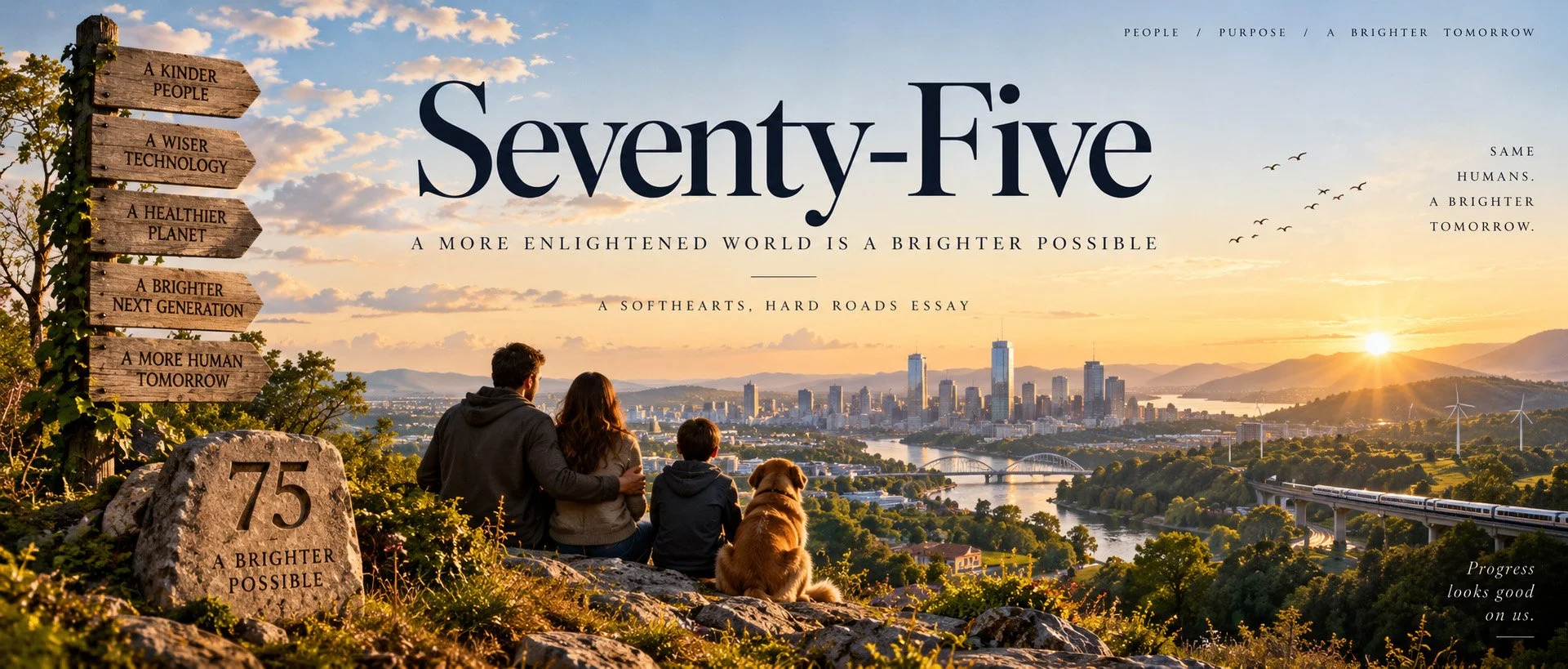
Seventy-Five
If enlightenment were a scale from zero to one hundred—zero being pure evil and one hundred being a truly enlightened civilization—I think we're somewhere around 58.
That's probably better than it sounds.
For most of human history, life was brutally tribal. Violence was ordinary. Conquest was honorable. Slavery was economically normal. Children worked. Women were property. Public executions were entertainment. Your religion, birthplace, skin color, or family name could determine nearly everything about your life.
We've come a long way.
But 58 feels about right.
Because we've developed something strange:
Near-godlike tools running on Stone Age emotional hardware.
We can split atoms.
Edit genes.
Speak instantly to someone on the other side of the planet.
Put the accumulated knowledge of humanity into everyone's pocket.
Build machines that can reason alongside us.
And then we use some of those machines to argue with strangers about politics.
Our capabilities might be 90 out of 100.
Our wisdom might be 58.
Maybe that gap is one of the most important measurements of civilization.
So I've been wondering:
What would 75 look like?
Not 100.
Not heaven.
Not some utopian world where everyone meditates at sunrise and spends the afternoon planting community gardens.
Seventy-five.
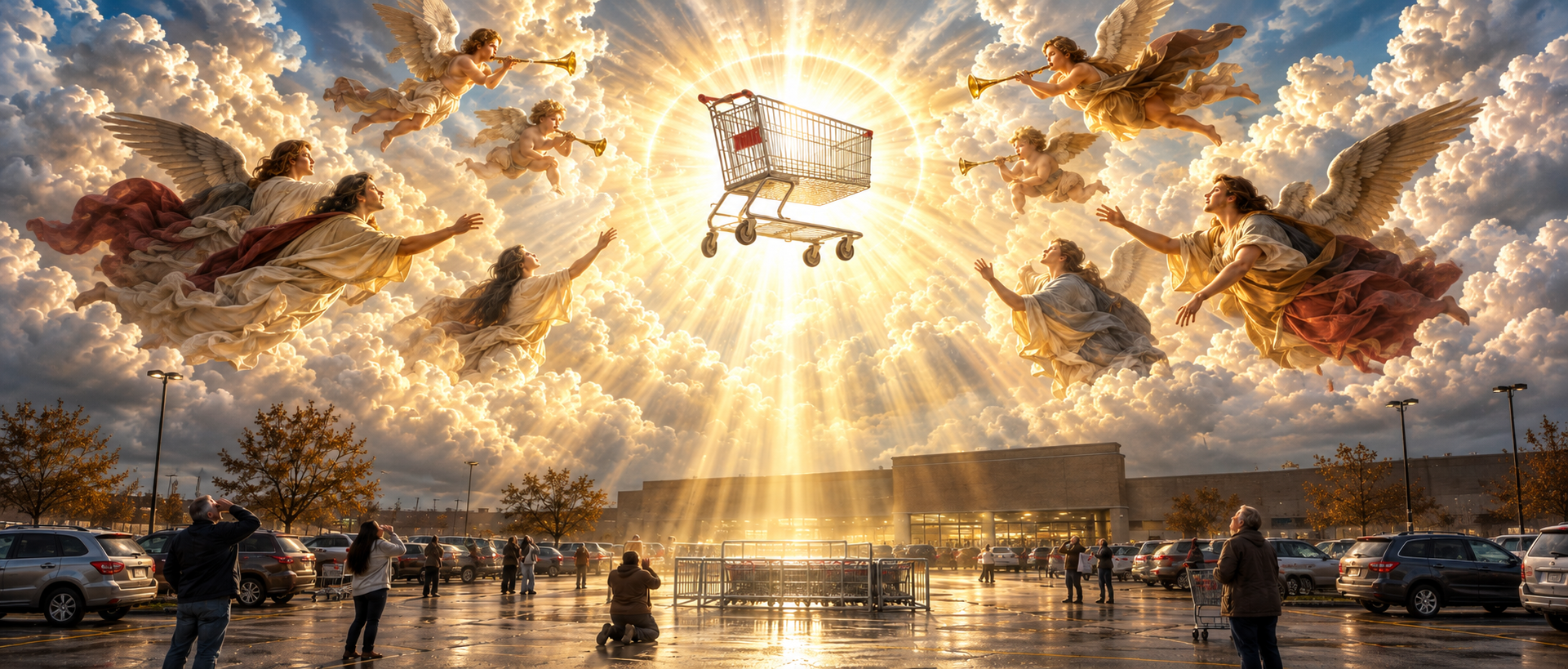
The Shopping Cart Theory
I've never liked the shopping cart theory.
You know the one.
The internet says the ultimate test of whether someone is a good person is whether they return their shopping cart. There's no law requiring it. No reward for doing it. No punishment for leaving it. Therefore, the theory goes, returning the cart is the purest measure of character.
The first time I heard it, I was honestly taken aback.
Not because I leave shopping carts all over the parking lot. I don't.
I'll never leave one in the middle of a parking space. I'll never leave one where it can roll into someone's car. If the parking lot is sloped, I'll even put the front wheels up on the curb so it can't move.
But I don't always return it to the cart corral.
The Keeper
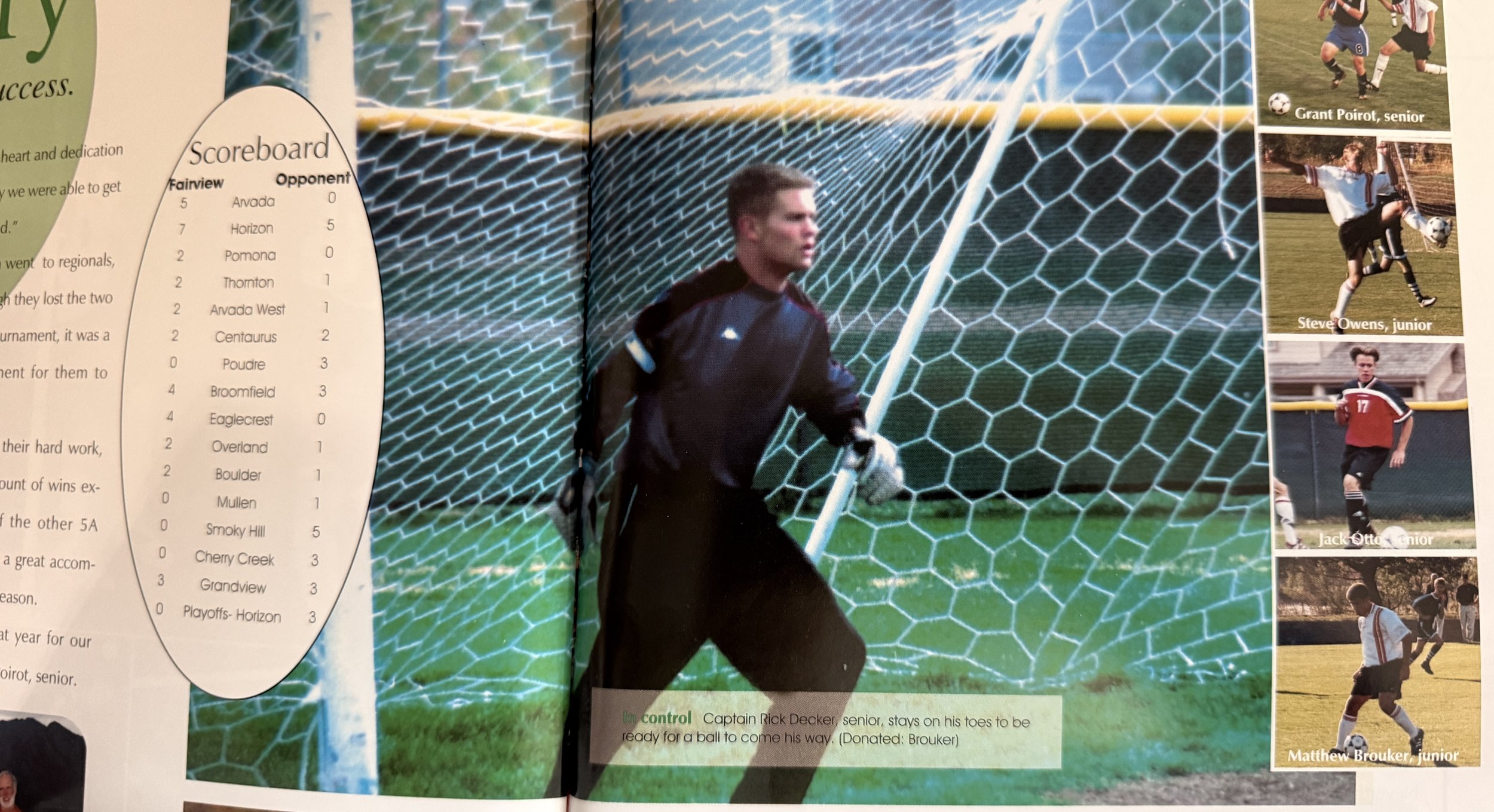
There was a time in my life when I worked very hard to not become “the soccer guy.”
In college, I was known as the goalkeeper. The keeper. The athlete. The one people remembered for diving saves and muddy uniforms and showing up on weekends carrying the strange loneliness that comes with standing in a net while everyone watches your mistakes in high definition.
I was good at it. Really good.
And I hated how much identity came with that.
Not because I hated the game, but because I wanted more from life than being reduced to one thing. There were other parts of me I was trying to protect:
the writer, the thinker, the builder, the artist, the curious kid staring at music equipment he couldn’t afford, the future father I didn’t even know existed yet.
So over time, I quietly pushed soccer away.
Not dramatically.
Not bitterly.
Just carefully.
Enough distance to make sure it didn’t swallow me whole again.
And for years, that worked.
Then my daughters started playing.
The Normal They Inherit
On the drive to the stadium, I felt it.
That quiet pull in the chest that asks a question you cannot quite shake.
We passed people walking with signs.
Flags. Voices. Intention.
You could feel it in the air. Something mattered today.
And I thought,
should I be there instead?
Should I be standing with them, adding my voice to something visible, something urgent, something that says we care out loud?
Instead, we kept driving.
To a soccer game.
It felt small in comparison. Almost trivial.
A part of me wondered if I was choosing comfort over conviction.
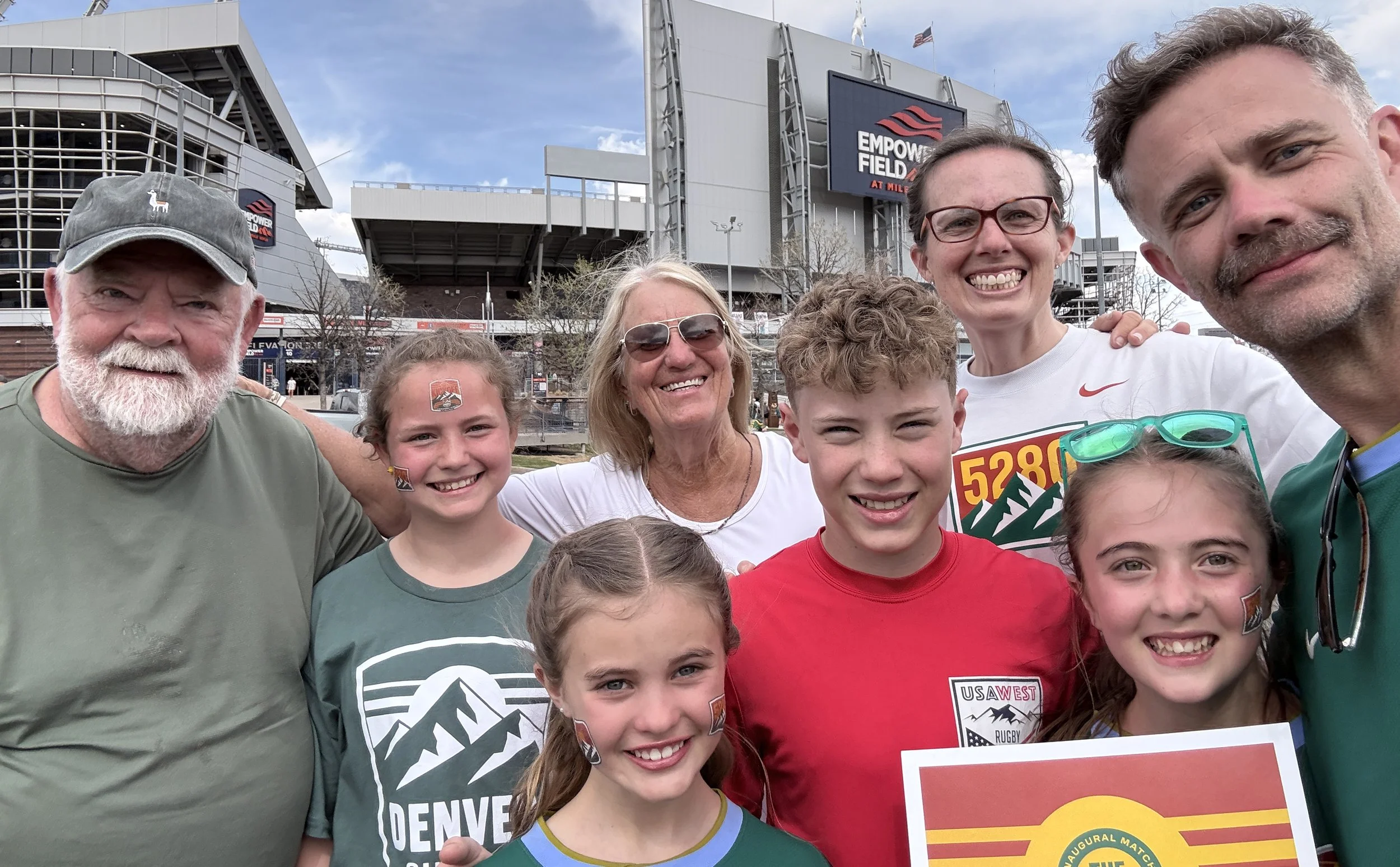
But then we walked into the stadium.
And everything shifted.
Sixty-three thousand people.
Not scattered. Not accidental.
Intentional.
Families. Girls. Women. Scarves. Jerseys.
Not random kits from Europe or old club teams.
Summit colors. Summit names. Summit identity.
It hit me in a way I did not expect.
This was not an event.
This was belonging.
Fortune, Favor, and the Roads I Didn’t Take
I once sat in classrooms where the future had already happened.
At Northeastern University, I was majoring in music industry and taking copyright law for musicians just a couple years after Napster blew open the entire business. The founder, Shawn Fanning, had sat in those same rooms not long before me. I wasn’t studying a stable profession. I was studying the crater.
Professors were rewriting syllabi in real time.
Copyright law stopped being abstract and became existential.
We argued whether an MP3 was a copy, a performance, or something the law didn’t yet have a word for.
The quiet realization hung in the room that the rules were already behind the technology and always would be.
Outside class, I carried an early Windows-compatible iPod through Boston and New York. You could spot others instantly by the white headphones. We’d give each other a subtle nod, like we were part of a small, temporary future. One minute you were trading files in dorm rooms, the next you were parsing statutes written for piano rolls and vinyl trying to stretch them over broadband.
I watched an industry break while I was learning its rulebook.
But the story actually starts before Boston, with a list.
Standing Was Never the Issue
Parallel Warnings in Plain Sight
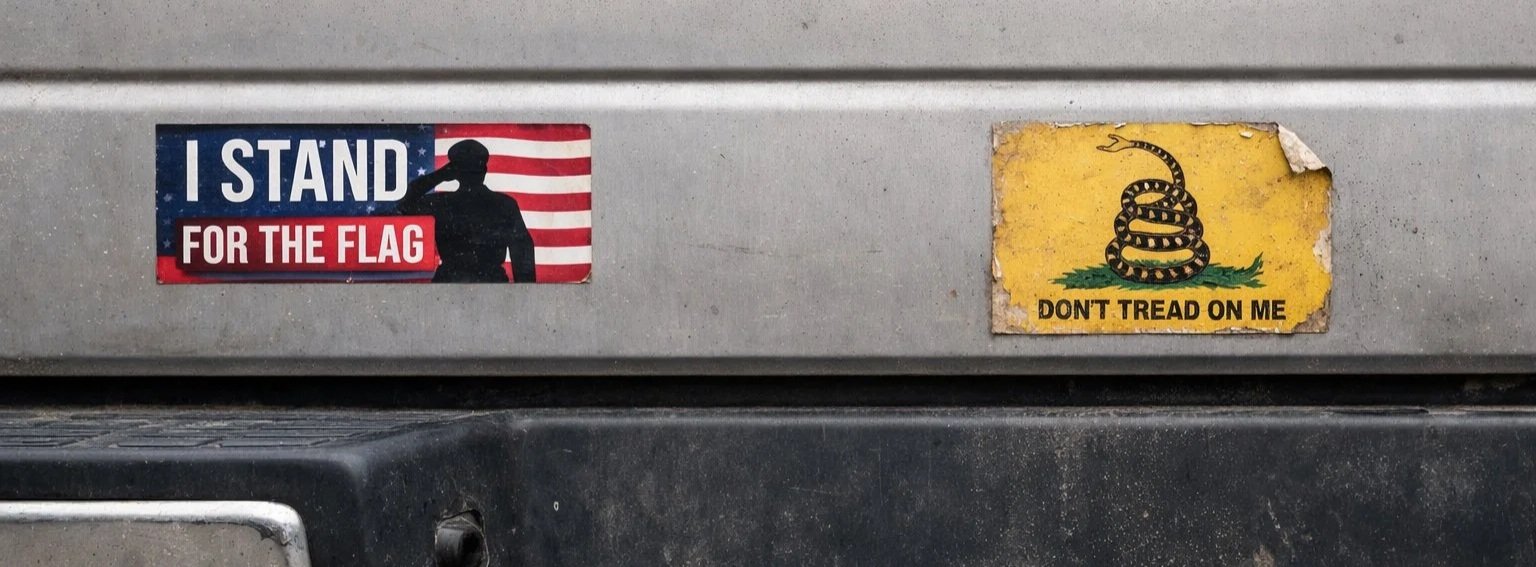
I was offered an “I Stand for the Flag” bumper sticker once.
My father-in-law meant it kindly. It wasn’t a challenge or a provocation. Just an offer. A shared symbol. A small adhesive declaration of values.
I declined.
Not because I don’t stand for the flag. I do. I stand for it in stadiums and gymnasiums and dusty fields where kids fidget and hands go to hearts a half beat late. I stand without irony.
I declined because I understood that the sticker wasn’t actually about standing.
It was about ending the conversation.
When Belief Becomes the Advantage
People like to talk about talent gaps in professional sports. Faster. Bigger. Stronger. Smarter schemes. Better quarterbacks.
I’ve never fully bought it.
By the time you reach the NFL, the margins are thin. Almost invisible. Everyone can run. Everyone can hit. Everyone knows the playbook. The difference between winning and losing rarely lives in the muscles. It lives in the mind. And more specifically, in the shared belief of a room full of people who decide, quietly and together, that they are not done yet.
I realized this years ago watching a winless team that wasn’t nearly as bad as their record suggested. The Miami Dolphins weren’t devoid of talent. They were devoid of belief. Once a locker room starts expecting the floor to fall out, it usually does. Missed tackles feel heavier. Mistakes multiply. Hope evaporates faster than conditioning ever could.
The opposite is also true.
If You Want to Be on the Right Side of History, Follow the Music
History is loud when you’re living inside it. Everyone is certain. Everyone has a microphone. Every moment feels urgent and absolute, as if the future is being decided in real time by whoever speaks with the most confidence.
But history is quiet when it looks back.
What survives is rarely the speeches that demanded obedience. It’s the songs that told the truth gently enough to outlive the moment that produced them.
I have a theory I keep returning to, especially when the world feels heavy.
If you want to be on the right side of history, follow the music.

The River Looks Different From the Top
I was listening to White Man’s World by Jason Isbell when the thought landed sideways.
“I’m a white man living in a white man’s world.”
Not accusatory. Not defensive. Just… observational. Like naming the current you’re already floating in.
And for some reason, it made me think about kayaking.
When you’re standing at the top of a mountain, the climb never looks that bad. The switchbacks disappear. The loose rock blends into the trail. You forget how many times you stopped to catch your breath.
Rivers do the same thing.
We’ve Been Here Before
There are moments when the world feels heavier than the body was designed to carry. When the news scrolls faster than your heart can keep up. When you look at your phone and realize you are watching fear try to pass itself off as authority.
Last night felt like one of those moments.
Not because of a single speech or a single city or a single headline. But because something underneath it all became visible. A familiar shape. An old strategy. Fear as leverage. Control as reassurance. Power insisting that compliance is safety.
And yet, outside the frame, people were standing in the streets.
Not reckless. Not unaware. Not confused.
Unafraid.
There was something quietly historical about that. And about the words that followed. Not focused on federal abstractions or policy jargon. Not reduced to talking points about drugs or immigration or crime. But naming the thing beneath the thing. Fear. Control. And the quiet, stubborn strength of community as its counterweight.
Irony, Sincerity, and the Quiet Work of Becoming
I used to think sincerity and irony lived on opposite sides of a line.
Sincerity felt like childhood. Open windows. Music played too loud. Letting things land without first checking how they might be received.
Irony felt like adulthood. Distance. Taste as armor. Knowing how to belong without revealing too much.
What I understand now is that irony is often sincerity that learned how to survive.
That realization came back to me unexpectedly while watching a movie scene I thought I already understood.
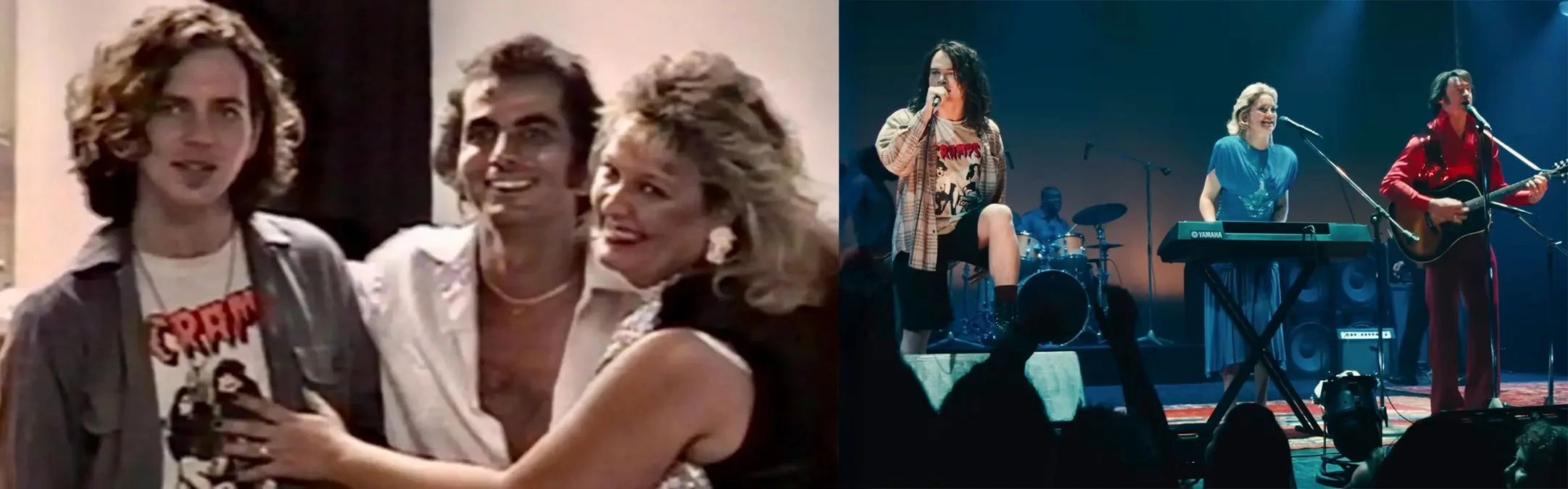
A few days after seeing Song Sung Blue, Pearl Jam posted an old clip from Milwaukee Summerfest. Eddie Vedder onstage with Lightning & Thunder. A moment that, viewed through today’s eyes, feels uncomfortable. A little sharp. A little knowing. The kind of posture that reads less like generosity and more like performance.
It landed differently for me than it once might have.
Not because I wanted Eddie to be perfect.
But because I no longer believe people are frozen at their worst moments.
I felt disappointed, yes. But more than that, I felt certain that what I was seeing was not who he is now.
And that certainty said something about me.

Holding My Breath in Familiar Places
Every year we come back to Colorado for the holidays, and every year it wears on me in ways that are hard to explain out loud.
On the surface, nothing is wrong. Family gatherings. Full calendars. Kids laughing with their cousins. All the things that are supposed to feel good. But underneath it, I feel drained in a way that sleep does not fix. I am not tired because I am doing too much. I am tired because there is no rhythm. No routine. No place for my nervous system to settle.
I am trying to work during the day. Trying to stay present at night. Trying to be grateful. Trying not to be a burden. Trying not to take up too much emotional space. Trying is exhausting.
I am not sleepy. I am tired.
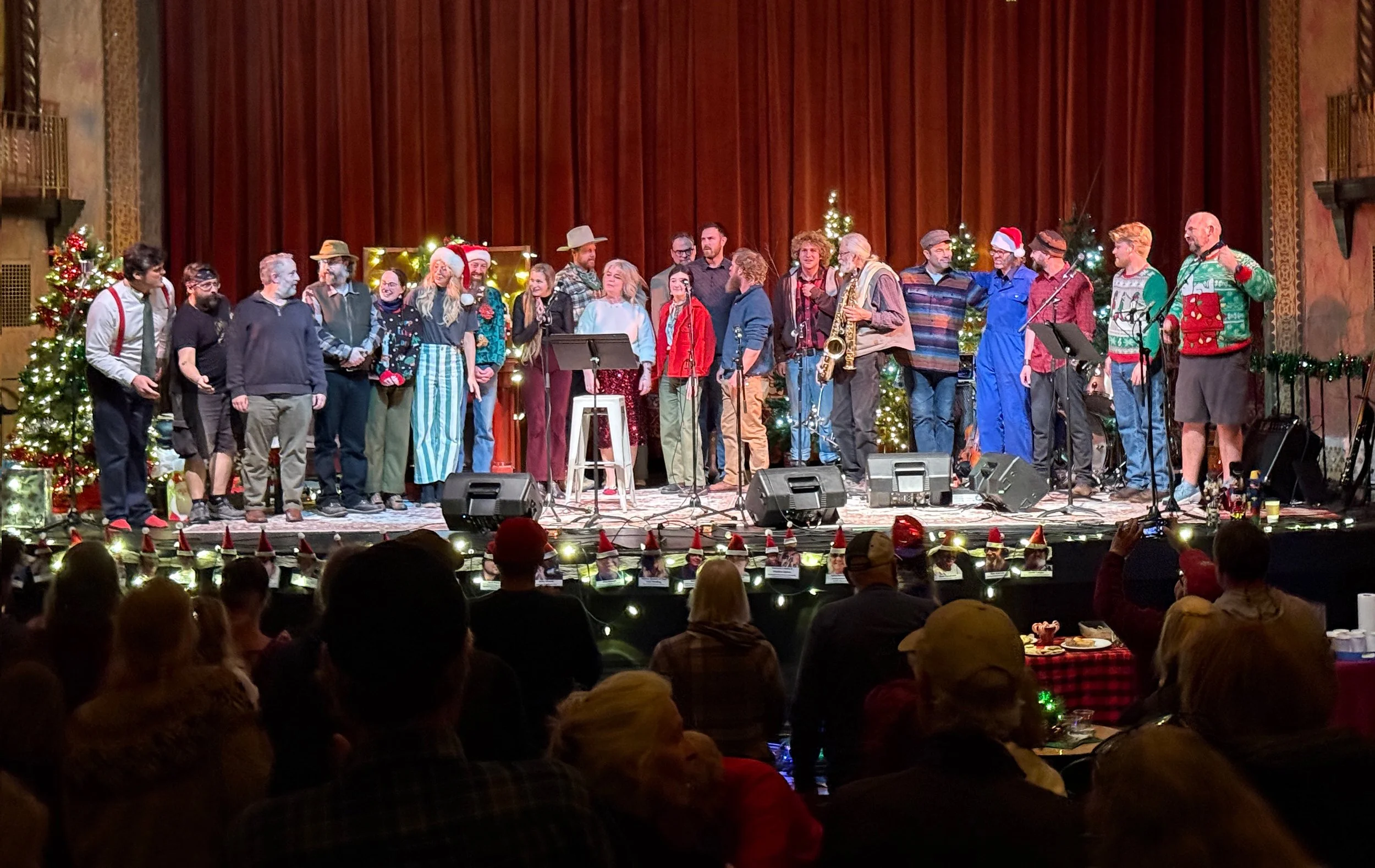
THE NIGHT MY MUSICAL ARROGANCE WAS HUMBLED AGAIN
There are humblings that hurt
and humblings that heal.
Friday night at the Panida was the second kind.
KRFR Radio’s Holiday Spectacular was meant to be lighthearted —
local musicians, a house band, holiday songs.
But something in me shifted again,
the same way it had years earlier at The Longshot,
on that Middle Fork trip,
and the first time I heard Little Wolf sing about coming home.
It happened the moment Kjetil Lund walked onstage.
He stepped into the lights barefoot, pants rolled up like Huck Finn,
a blond afro exploding around his head,
buffalo flannel hanging off him like some parallel-universe folk hero wandering in from Clark Fork.

Why People Change Their Tune: What Marco Rubio, LBJ, and the Rest of Us Reveal About Power, Identity, and Being Human
Every once in a while, I see something online that makes me freeze — not because it’s shocking, but because it’s a perfect snapshot of a human truth that we usually ignore.
A few days ago, it was Dawn Neufeld’s quote tweet aimed at Marco Rubio.
Rubio had reposted the State Department announcing the renaming of the Institute of Peace to honor Donald Trump, calling him “the President of Peace.” Dawn’s reply was simple:
“You need to be studied.”
It wasn’t political. It wasn’t even angry. It was observational — like a biologist seeing an animal do something unexpected in the wild.
And she’s not wrong.
Rubio does deserve to be studied.
Not judged. Not mocked. Not psychoanalyzed on cable news.
Studied.
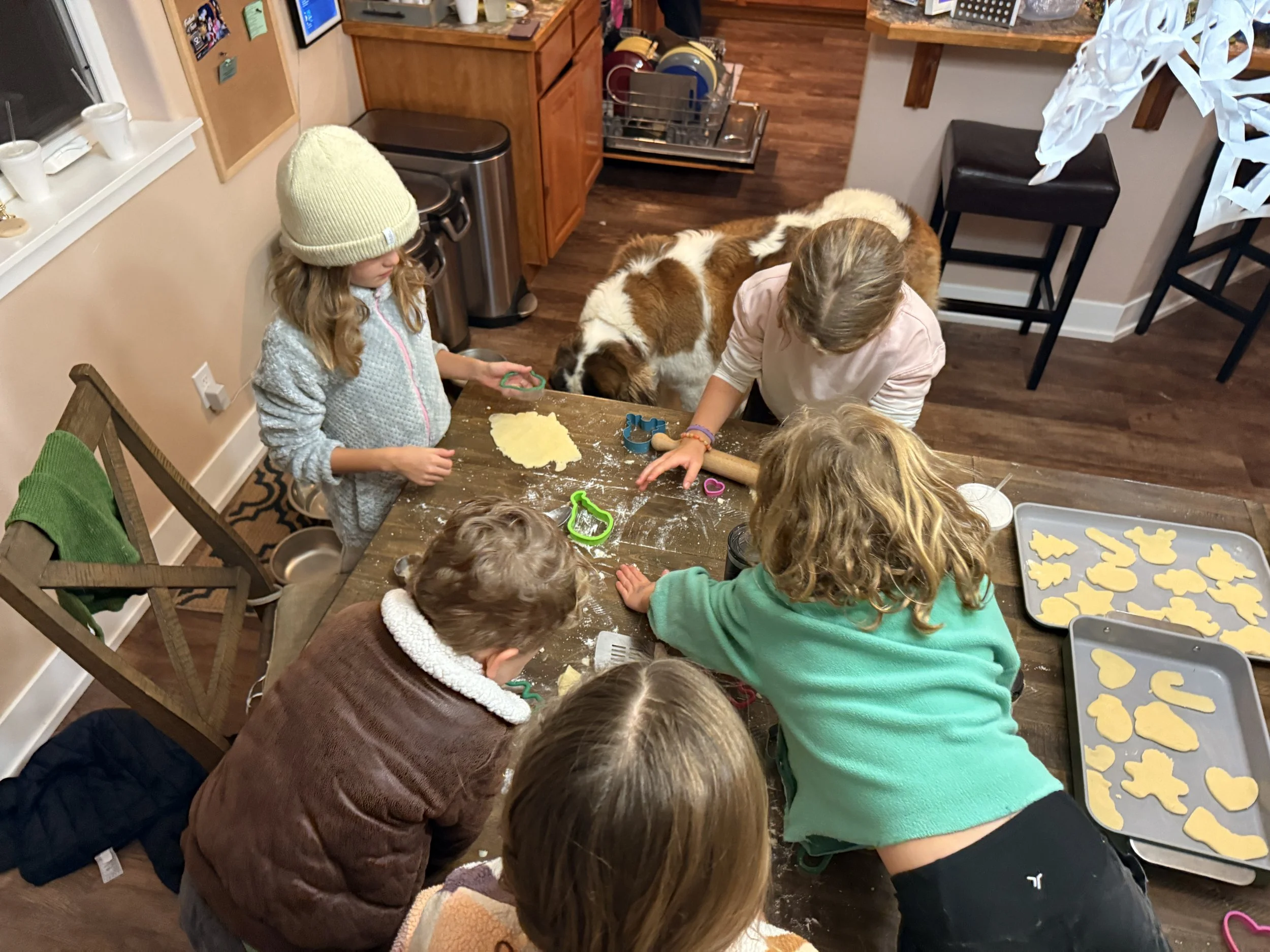
Soft Heart, Hard Road - Three Years Strong
Three years ago today, our family’s world shifted. It wasn’t a dramatic moment in the cinematic sense. No swelling music. No clear resolution. Just an MRI, a phone call that came too early, and the kind of news that instantly divides life into before and after.
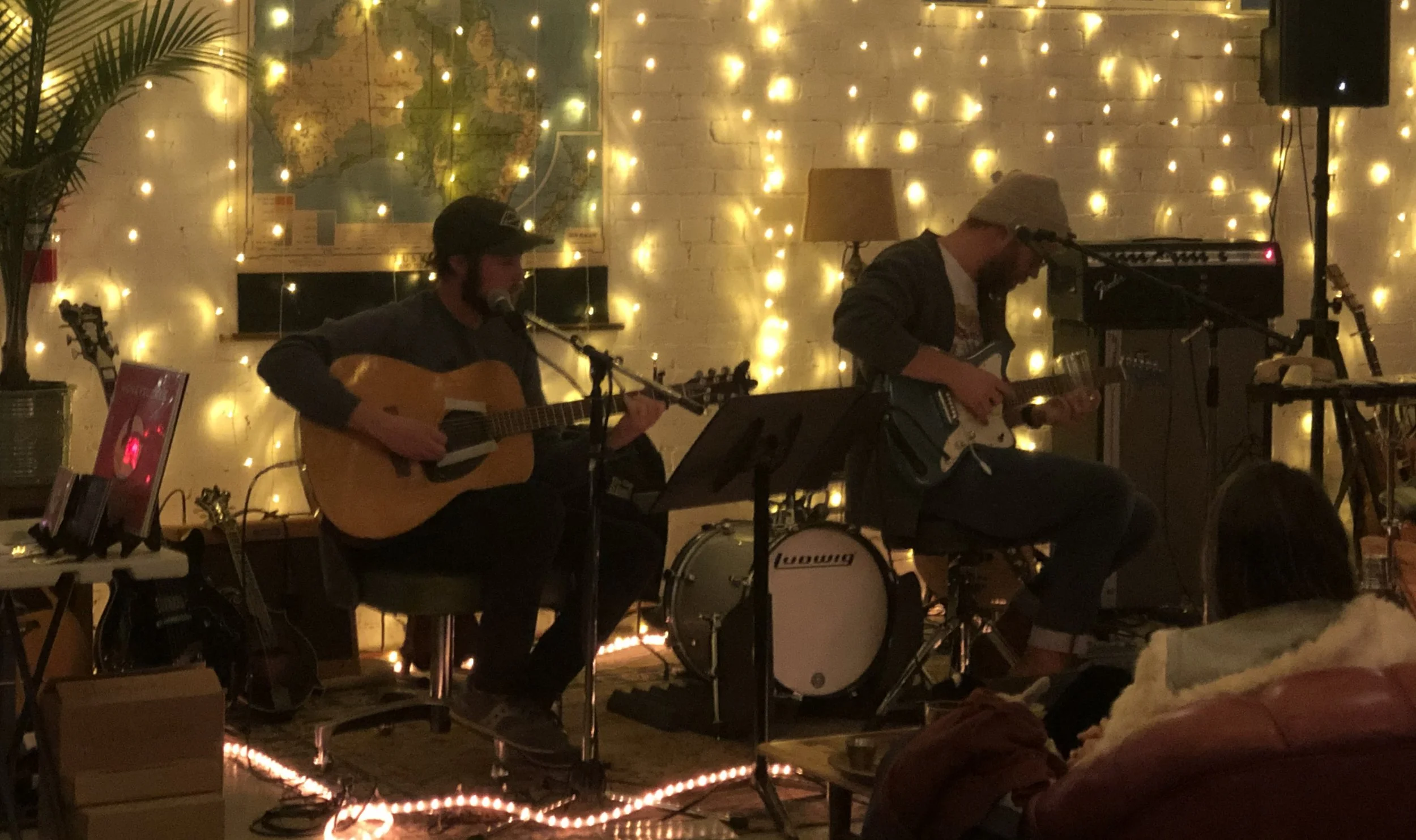
THE LONG BRIDGE HOME
An Essay About Music, Place, and the Quiet Work of Becoming
If you had asked the younger version of me who I was meant to be, I would have said something confident, rehearsed, and completely wrong.
I was a Boulder kid who went to Boston to major in music — the kind of student who imagined himself under stage lights, whatever success was supposed to look like back then. I believed, without ever articulating it, that real art lived in big cities, in big scenes, in places with reputations.

THE FOUR VOICES THAT BUILT ME
A Philosophical Reflection on a Life Lived Through Truth, Observation, Courage, and Conscience
There are people who build their worldview through institutions, academies, sermons, and systems.
And then there are people who build theirs through voices — not the kind that shout from stages,
but the kind that slip through the cracks of the world and say,
“Look closer.”
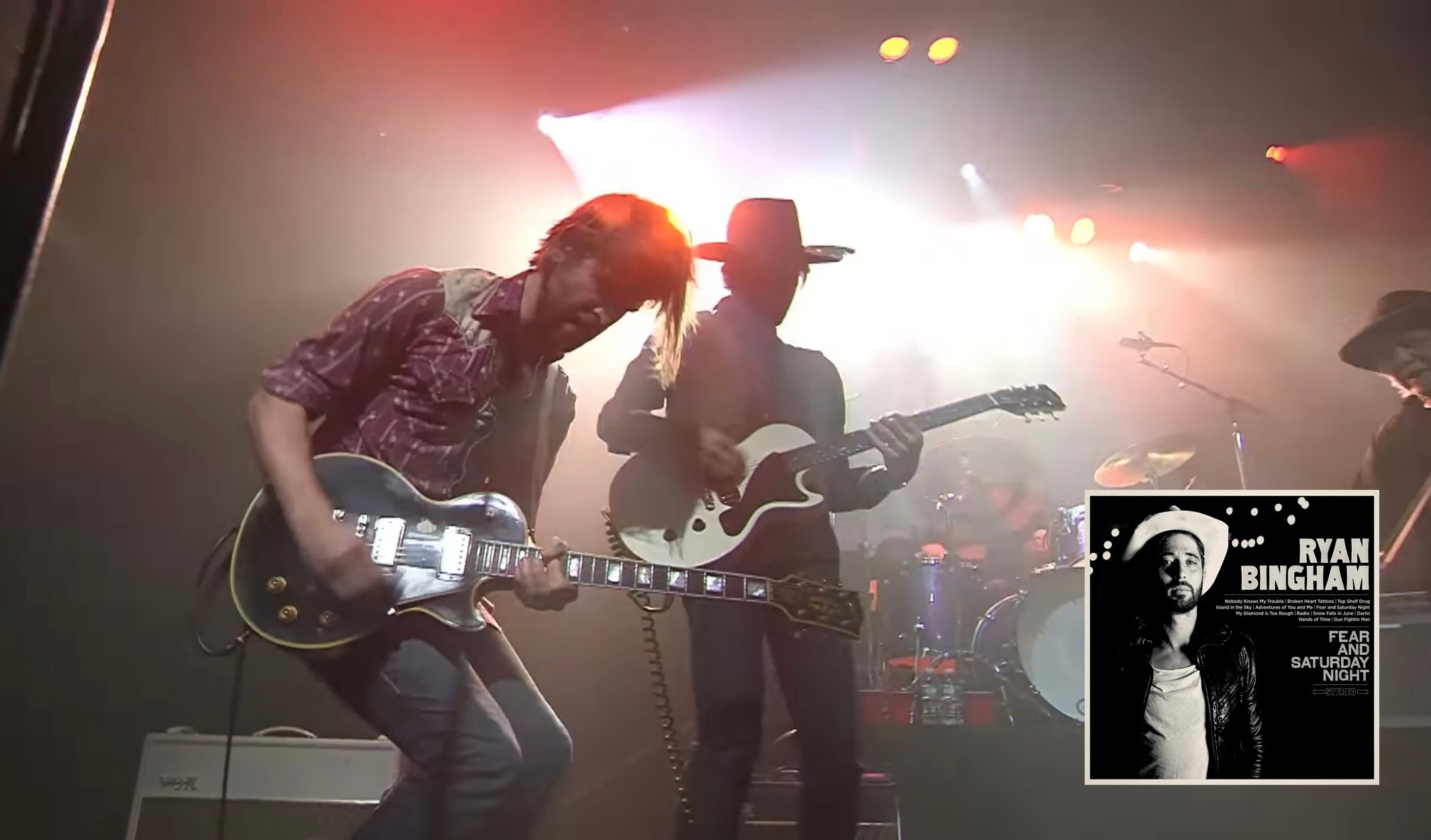
Fear and Fire at Ten: Ryan Bingham’s Rose Hill Drive Era
Ryan Bingham has always sounded older than his years. From the moment his whiskey-and-dust voice carried The Weary Kind through Crazy Heart, listeners pegged him as a songwriter built for lonesome highways and smoke-stained barrooms. But there was a moment — a brief, combustible stretch — when Bingham’s music became something bigger, louder, and less predictable. That moment was Fear and Saturday Night, released ten years ago, and the spark came from two Boulder musicians: guitarist Daniel Sproul and drummer Nate Barnes of Rose Hill Drive.